In today’s fast-paced manufacturing and distribution environment, businesses face constant pressure to increase productivity, reduce labor costs, and maintain packaging consistency. Manual carton packing methods often create bottlenecks that slow production and increase operational expenses.
This is where an Automatic Case Packing Line becomes a game-changing solution.
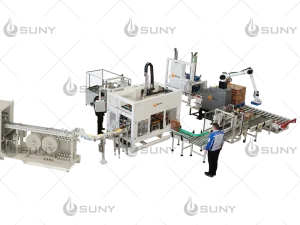
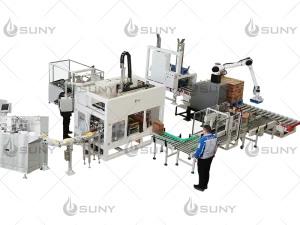
By integrating Case Erectors, Case Packers, and Case Sealers into a fully automated packaging system, manufacturers can streamline end-of-line operations, improve packaging quality, and significantly boost throughput. Whether you’re producing food, beverages, pharmaceuticals, personal care products, wet wipes, or household goods, investing in an automated case packing solution can provide a substantial competitive advantage.
Let’s explore how these systems work, their benefits, and answers to the most common questions businesses ask before investing.
What Is an Automatic Case Packing Line?
An Automatic Case Packing Line is a complete packaging system designed to automate the process of preparing cartons, loading products, and sealing boxes for shipping.
The line typically consists of three core machines:
1. Case Erector
A case erector automatically forms flat corrugated cartons into open boxes and seals the bottom flaps.
Key benefits include:
- Consistent box formation
- Reduced labor requirements
- Faster production speeds
- Improved carton integrity
2. Case Packer
A case packer automatically loads products into prepared cartons.
Depending on the application, it may handle:
- Bottles
- Cans
- Pouches
- Wet wipes packs
- Tissue products
- Pharmaceutical products
- Consumer goods
Modern robotic and servo-driven case packers can achieve extremely high packing accuracy while minimizing product damage.
3. Case Sealer
A case sealer automatically closes and seals filled cartons using tape or hot-melt adhesive.
Benefits include:
- Uniform sealing quality
- Reduced packaging waste
- Enhanced shipping protection
- Faster order fulfillment
Together, these machines create a seamless and highly efficient packaging workflow.
7 Powerful Benefits of an Automatic Case Packing Line
1. Significantly Increase Production Output
Automated case packing systems can operate continuously at high speeds, often handling dozens of cases per minute.
As production demand grows, automation helps manufacturers scale without proportionally increasing labor costs.
2. Reduce Labor Costs
Labor shortages and rising wages continue to challenge manufacturers worldwide.
An automatic case packing line reduces manual handling and repetitive tasks, allowing employees to focus on higher-value activities.
3. Improve Packaging Consistency
Human error can lead to improperly packed cartons, damaged products, and customer complaints.
Automated systems ensure every case is erected, packed, and sealed according to exact specifications.
4. Minimize Product Damage
Precise robotic handling and controlled product placement reduce the risk of crushing, scratching, or damaging products during packaging.
5. Enhance Workplace Safety
Manual case packing often involves repetitive lifting, bending, and reaching.
Automation significantly reduces these ergonomic risks and helps create a safer work environment.
6. Lower Packaging Material Waste
Advanced case erectors and sealers optimize carton usage and tape application, helping reduce material consumption and packaging costs.
7. Deliver Faster Return on Investment
Many manufacturers achieve ROI within a few years through labor savings, increased efficiency, reduced waste, and improved productivity.
Frequently Asked Questions About Automatic Case Packing Lines
How Do I Know If My Factory Needs an Automatic Case Packing Line?
If your business experiences any of the following, automation may be the right solution:
- Rising labor costs
- Production bottlenecks
- Inconsistent packaging quality
- Growing customer demand
- Difficulty hiring packaging operators
What Industries Use Automatic Case Packing Systems?
These systems are widely used in:
- Food and beverage manufacturing
- Wet wipes production
- Tissue converting
- Pharmaceuticals
- Cosmetics
- E-commerce fulfillment
- Household products
- Consumer packaged goods (CPG)
Can One Line Handle Different Box Sizes?
Yes. Modern servo-controlled case packing lines support quick changeovers and recipe-based settings, allowing operators to switch between multiple carton sizes efficiently.
What Is the Difference Between Top-Load and Side-Load Case Packers?
Top-load case packers place products from above and are ideal for bags, pouches, and flexible packages.
Side-load case packers insert products horizontally and are commonly used for cartons, bottles, and rigid containers.
How Much Maintenance Is Required?
Most modern systems are designed for minimal maintenance. Regular inspections, lubrication, and preventive maintenance schedules help maximize uptime and equipment lifespan.
Choosing the Right Automatic Case Packing Solution
When evaluating suppliers, consider:
- Production speed requirements
- Product dimensions and weight
- Carton styles and sizes
- Future expansion plans
- Integration with palletizing systems
- Technical support and after-sales service
The most effective solution is one that aligns with your current production goals while supporting future growth.
Conclusion
As manufacturers seek greater efficiency and profitability, Automatic Case Packing Lines featuring Case Erectors, Case Packers, and Case Sealers have become essential tools for modern packaging operations.
These systems help reduce labor costs, improve packaging consistency, increase throughput, enhance safety, and support scalable production growth. By automating end-of-line packaging, businesses can improve operational performance while delivering a better customer experience.
For companies looking to stay competitive in today’s demanding marketplace, investing in a fully automated case packing solution is no longer a luxury—it’s a strategic necessity.