As the global demand for wet wipes continues to grow across baby care, personal hygiene, household cleaning, and medical applications, manufacturers face increasing pressure to package products faster, more accurately, and with lower labor costs. While wet wipes production machines receive much of the attention, the final packaging stage is equally critical for maintaining productivity.
A wet wipes case packer machine is designed to automatically load finished wet wipes packs into cartons or shipping cases with speed and precision. By replacing manual packing, businesses can reduce labor expenses, improve packaging consistency, and increase overall production efficiency.
In this guide, we’ll explain how a wet wipes case packer machine works, its major benefits, frequently asked questions, and how to choose the right system for your production line.
What Is a Wet Wipes Case Packer Machine?
A wet wipes case packer machine is an automated packaging system that collects finished wet wipes packs from the production line and arranges them into corrugated cartons or shipping cases according to preset patterns.
The machine is typically installed after the secondary packaging stage and before palletizing, creating a fully automated end-of-line packaging solution.
Depending on production requirements, it can pack:
- Baby wipes
- Household cleaning wipes
- Alcohol wipes
- Disinfectant wipes
- Cosmetic wipes
- Industrial wipes
- Pocket wet wipes
- Canister wipes
Modern systems integrate seamlessly with conveyors, labeling machines, carton sealers, robotic palletizers, and warehouse logistics.
Why More Manufacturers Are Choosing Automatic Case Packers
Automation is becoming essential in modern manufacturing.
According to industry reports, automated packaging systems can reduce labor requirements by up to 70%, while improving packaging consistency and reducing product damage during transportation.
Here are the biggest advantages.
1. Higher Packaging Speed
Automatic case packers can continuously load dozens of cartons every minute without fatigue.
This significantly increases daily production capacity compared with manual packing.
2. Lower Labor Costs
Instead of multiple workers manually placing wet wipes into cartons, only one operator may be needed to supervise the equipment.
This helps manufacturers offset rising labor costs.
3. Consistent Packaging Quality
Every carton receives the correct number of products in the same arrangement.
Uniform packaging improves warehouse stacking and customer satisfaction.
4. Reduced Product Damage
Servo-controlled gripping systems handle products gently, minimizing crushed packages and damaged seals.
5. Easy Integration
Most case packers integrate with:
- Wet wipes production machines
- Flow wrapping machines
- Bundle packaging machines
- Carton sealing machines
- Automatic palletizing systems
This creates a highly efficient, fully automated production line.
6. Flexible Product Changeover
Modern PLC-controlled systems allow operators to switch between different pack sizes and carton formats quickly.
This flexibility is valuable for manufacturers producing multiple product varieties.
7. Better Return on Investment
Although automation requires an initial investment, many manufacturers recover costs through labor savings, increased output, and reduced packaging waste.
How Does a Wet Wipes Case Packer Machine Work?
The packaging process is straightforward:
- Finished wet wipes packs leave the packaging machine.
- Products are aligned automatically on the conveyor.
- The machine counts the required quantity.
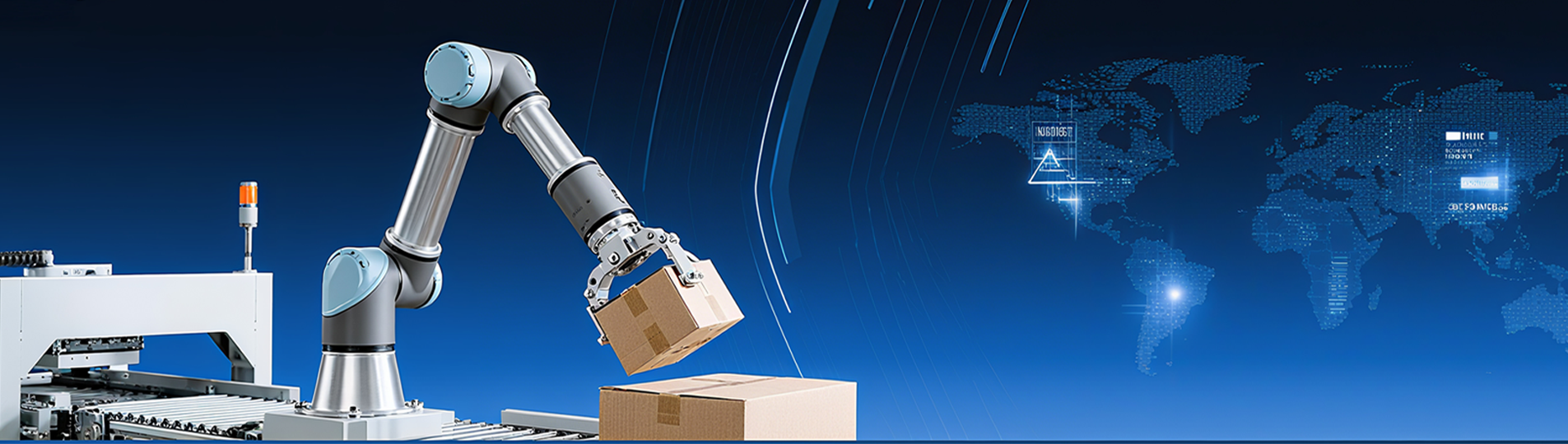
- Robotic arms or mechanical pushers arrange products into the correct pattern.
- Products are inserted into open cartons.
- Filled cartons move to automatic sealing equipment.
- Finished cartons are transferred to palletizing systems for shipment.
This automated workflow minimizes manual handling while maintaining high production efficiency.
Frequently Asked Questions
Is a case packer suitable for small factories?
Yes. Many manufacturers offer compact models for small and medium-sized businesses as well as high-speed versions for large-scale production.
What carton sizes can it handle?
Most machines support multiple carton dimensions through adjustable guides and programmable settings.
Can one machine pack different wet wipes products?
Absolutely.
Modern systems can package baby wipes, disinfectant wipes, cosmetic wipes, and household wipes with quick changeovers.
Does it require skilled operators?
No.
User-friendly touch-screen interfaces make operation simple after basic training.
How often does maintenance need to be performed?
Routine cleaning, lubrication, and periodic inspection are generally sufficient to keep the machine operating efficiently and extend its service life.
Conclusion
A wet wipes case packer machine is far more than an end-of-line packaging solution—it is a strategic investment that improves efficiency, reduces labor costs, and delivers consistent packaging quality. As demand for wet wipes continues to rise worldwide, manufacturers that embrace automation are better positioned to increase output, maintain product quality, and stay competitive.
Whether you operate a growing factory or a large-scale production facility, integrating an automatic case packing system into your wet wipes line can streamline operations, enhance workplace safety, and provide a faster return on investment. By selecting the right machine and ensuring seamless integration with your existing equipment, you can build a smarter, more reliable, and future-ready packaging process.