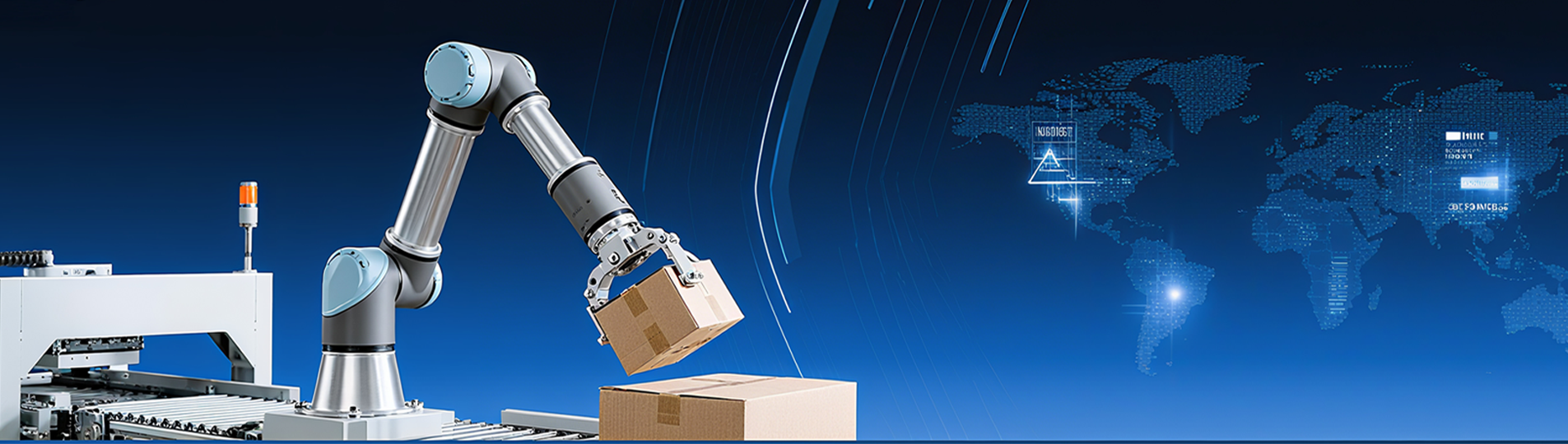
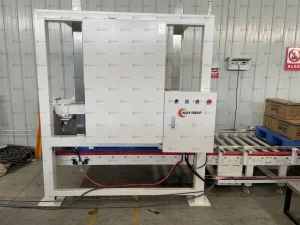
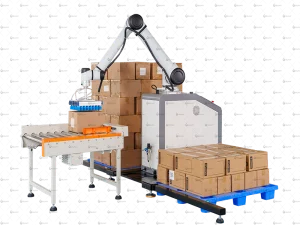
Speed, safety, and consistency are the heartbeat of the food and beverage industry. As consumer demand grows and regulations tighten, manufacturers can no longer rely on manual or semi-automatic packaging alone. That’s where a Food and Beverage Case Packing and Palletizing Line becomes a game-changer.
This automated system takes products from production and transforms them into perfectly packed cases and neatly stacked pallets—ready for storage or shipping. In this blog, we’ll answer the most frequently asked questions, share valuable insights, and reveal why investing in automation now can protect your margins tomorrow.
1. What Is a Food and Beverage Case Packing and Palletizing Line?
A case packing and palletizing line is an integrated automation system that:
Packs individual food or beverage products into cartons or cases
Seals those cases
Stacks them onto pallets in a structured pattern
It typically includes:
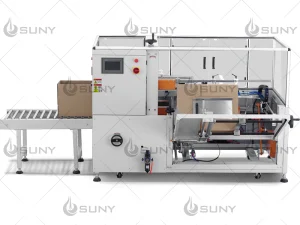
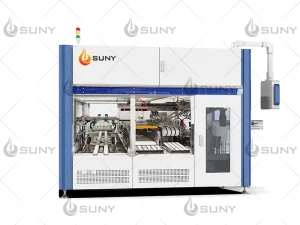
- Case packer
- Carton erector
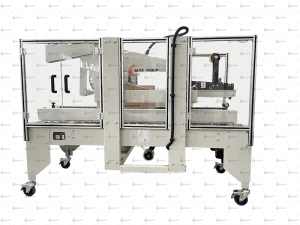
- Case sealer
- Palletizer
- Pallet wrapper
Together, these machines create a seamless flow from production to warehouse.
2. Why Is Automation Critical in Food and Beverage Packaging?
Automation is no longer a luxury—it’s a survival strategy.
According to industry studies, automated packaging lines can increase output by 25–40% compared to manual operations. Even more important, they reduce labor dependency, minimize human error, and improve hygiene standards.
Key benefits include:
- Higher throughput without adding shifts
- Consistent pack quality for brand protection
- Lower labor costs in a tightening workforce
- Improved food safety compliance
When every second counts, automation keeps your line moving.
3. What Types of Products Can Be Handled?
Modern case packing and palletizing lines are highly versatile. They can handle:
- Bottled beverages
- Canned drinks
- Snack bags
- Dairy products
- Frozen foods
- Condiment jars
- Cartoned goods
Whether your product is fragile, slippery, or irregularly shaped, today’s robotic and mechanical systems can adapt with custom grippers and smart sensors.
Case Packing and Palletizing Line
4. How Does a Typical Line Work?
Here’s a simplified flow:
- Product Infeed – Items arrive from the filling or wrapping machine
- Case Packing – Products are grouped and placed into cartons
- Case Sealing – Boxes are taped or glued shut
- Palletizing – Cases are stacked in programmed patterns
- Wrapping – Pallets are stabilized for transport
This end-to-end automation reduces bottlenecks and creates a predictable, repeatable workflow.
5. Is a Robotic or Conventional Palletizer Better?
This is one of the most common questions.
Robotic palletizers are ideal when:
- You have multiple SKUs
- You change pack patterns often
- Space is limited
- You need flexibility
Conventional palletizers are better when:
- You run one or two products continuously
- Speed is the top priority
- Layout is fixed
- In short:
Robots = flexibility
Conventional = raw speed
The right choice depends on your production strategy.
A Food and Beverage Case Packing and Palletizing Line is more than machinery—it’s your competitive edge. It boosts productivity, ensures hygiene, and prepares your business for future growth.
As consumer demand accelerates and margins tighten, the brands that invest in automation today will dominate tomorrow. If your goal is speed, safety, and scalability, the choice is clear: automate smart and automate now.